Why Your Blood Pressure Might Be Trying to Tell You Something
Why Your Blood Pressure Might Be Trying to Tell You Something
This article is part of my Blood Sugar & Metabolic Health series, exploring the hidden ways stress, nutrition, blood sugar and modern life affect long-term health.
You feel fine.
You are busy.
You are working.
Looking after family.
Keeping all the plates spinning.
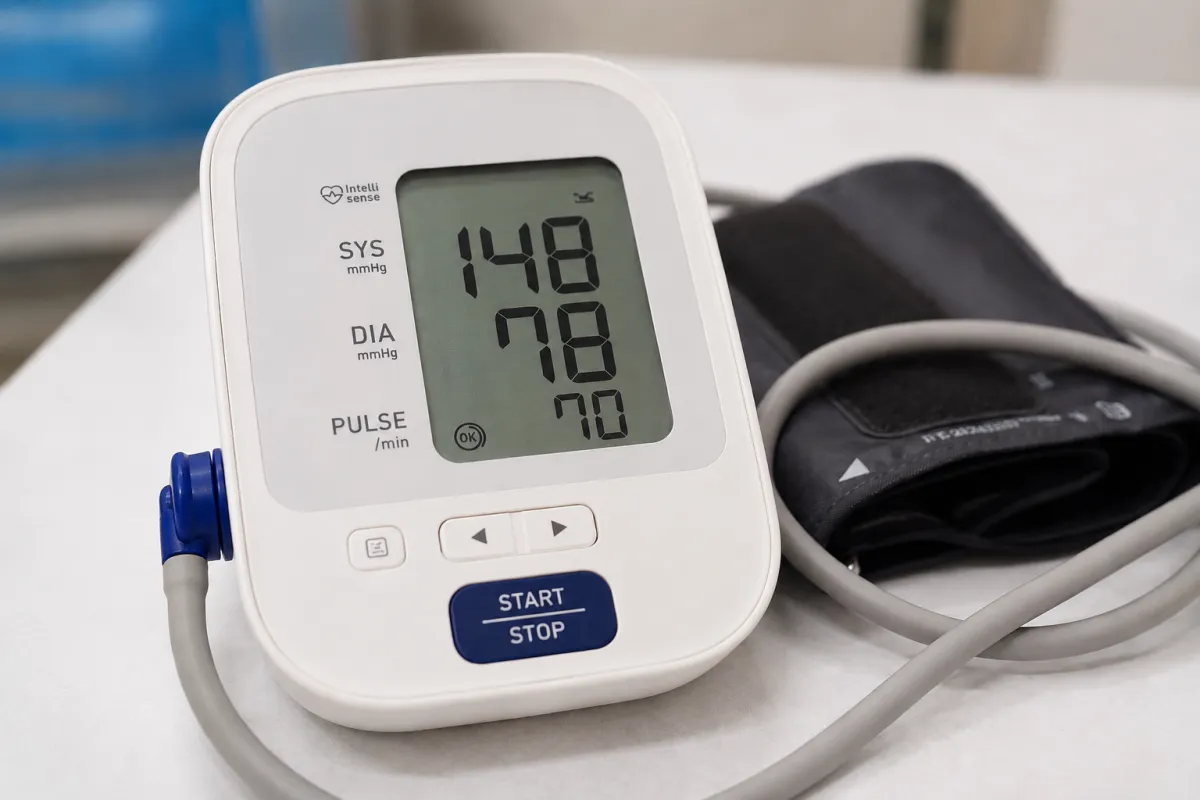
Then one day somebody checks your blood pressure.
And it is higher than expected.
Many people are genuinely shocked.
Because they expected to feel ill.
The reality is that high blood pressure often develops silently.
You do not usually feel your blood vessels becoming strained.
You do not feel your heart working harder.
You do not feel the gradual changes taking place inside your body.
That is why high blood pressure is often discovered during a routine check, a health assessment or a visit to the GP for something completely unrelated.
Key Takeaways
• Around one in three adults in the UK has high blood pressure, and many do not know they have it.
• High blood pressure is often a clue that stress, sleep, energy & recovery, metabolic health or lifestyle factors need attention.
• Addressing the underlying drivers can often improve blood pressure alongside energy, weight, metabolic health and overall wellbeing.
What is high blood pressure?
Blood pressure is the force of blood pushing against the walls of your arteries as your heart pumps blood around your body.
High blood pressure, also known as hypertension, means that pressure is consistently higher than it should be.
Over time, this places extra strain on blood vessels and organs throughout the body.
The important thing to understand is that high blood pressure is often not something you feel.
Many people have no symptoms at all.
How common is high blood pressure?
High blood pressure is extremely common.
Around one in three adults in the UK has high blood pressure.
Millions of people remain undiagnosed because they feel completely well.
This is one reason blood pressure is sometimes called a silent risk factor.
The first sign is often the reading itself.
Not a symptom.
Why high blood pressure matters
Working in A&E for more than 25 years, I have seen both ends of the story.
I have seen people whose high blood pressure was picked up early, giving them the opportunity to make changes before serious health problems developed.
I have also seen people meet their blood pressure for the first time after a stroke, heart attack, kidney problem or other life-changing event.
The difficult reality is that many of those people felt completely well beforehand.
That is not meant to frighten anyone.
It is simply why I care so deeply about prevention.
The encouraging news is that we often have opportunities to act long before those events occur.
High blood pressure is often a clue, not the whole problem
This is where I think many conversations about blood pressure miss the bigger picture.
High blood pressure is a little like the warning light on your dashboard.
The light itself is not the problem.
It is telling you something underneath may need attention.
Sometimes that might be:
• chronic stress
• poor sleep
• excess weight around the middle
• poor metabolic health
• inadequate recovery
• low physical activity
• excess alcohol
• smoking
Often several of these factors are present at the same time.
The blood pressure reading is simply the clue that brings them into focus.
What is metabolic health?
Metabolic health is simply how well your body manages energy.
Think of it as your body’s ability to process food, regulate blood sugar and maintain steady energy throughout the day.
When metabolic health begins to struggle, people often notice things such as:
• stronger cravings
• weight gain around the middle
• brain fog
• increasing reliance on caffeine
• difficulty losing weight
Many people are surprised to learn that these same patterns are often associated with rising blood pressure.
What is insulin resistance?
Insulin is a hormone that helps move sugar from the bloodstream into cells where it can be used for energy.
A simple way to think about insulin resistance is that the body’s cells stop listening to insulin as effectively as they once did.
The body compensates by producing more insulin.
Over time, higher insulin levels can contribute to:
• higher blood pressure
• weight gain around the middle
• blood sugar instability
• type 2 diabetes
Many people have insulin resistance for years before diabetes develops.
What I see in busy professionals
Most people do not wake up one morning with high blood pressure.
It usually develops gradually.
Perhaps you wake up already thinking about coffee.
You rush out of the door without breakfast.
Lunch happens at your desk between meetings.
By 3pm you are hunting for biscuits, chocolate or another coffee just to stay focused.
You finally get home exhausted and discover you still have dinner, washing, life admin, teenagers, ageing parents or work emails waiting for you.
By the time you finally sit down, there is nothing left in the tank.
Then the cycle starts again tomorrow.
Nobody chooses this because they want poor health.
Most people are simply trying to keep up with life.
The problem is that the body still has to deal with the consequences.
The body often whispers before it shouts
Most people do not feel their blood pressure rising.
They simply notice they are feeling less like themselves.
You wake up feeling as though you have not slept.
The afternoon slump arrives earlier.
Your energy becomes less reliable.
Your clothes feel tighter around the waist.
You need more caffeine than you used to.
You feel more stressed.
More reactive.
Less on top of things.
You find yourself saying:
“I really need to get back on track.”
for the tenth time this year.
Many people dismiss these signs as:
“Just getting older.”
Or:
“That’s life.”
Sometimes they are clues that the body needs support.
What I have experienced myself and seen in clients
This is something I have experienced personally.
Improving my nutrition, sleep, recovery and metabolic health contributed to a meaningful reduction in my own systolic blood pressure.
I have also seen this repeatedly through my Health Reset Solution programme.
Many clients join because they are tired.
Or frustrated with their weight.
Or concerned about cravings.
Blood pressure is often not the main reason they seek support.
Yet as we improve sleep, nutrition, stress management, movement and recovery, many notice improvements in their blood pressure alongside improvements in energy and wellbeing.
I have seen many clients reduce their systolic blood pressure by around 10 mmHg or more during the programme.
Alongside improvements in energy, sleep, cholesterol, blood fats, weight and overall wellbeing.
Not because we followed an extreme diet.
Not because they became perfect.
Because we addressed the underlying drivers affecting their health.
That is one of the reasons I believe so strongly in sustainable lifestyle change.
The body is often remarkably responsive when given the right support.
Can lifestyle changes help blood pressure?
For many people, yes.
Research consistently shows that lifestyle changes can improve blood pressure.
These include:
• improving sleep
• increasing physical activity
• reducing excess body fat
• improving nutrition
• managing stress
• reducing excess alcohol
• stopping smoking
The goal is not perfection.
The goal is creating an environment where the body can function more effectively.
Small, consistent changes often outperform heroic efforts that last two weeks.
Frequently Asked Questions
Can stress increase blood pressure?
Yes. Stress can temporarily raise blood pressure and chronic stress is associated with long-term increases in blood pressure for many people.
Can poor sleep affect blood pressure?
Yes. Poor sleep is associated with higher blood pressure and poorer cardiovascular health.
Is high blood pressure caused by getting older?
Age increases risk, but high blood pressure is not an inevitable part of ageing. Lifestyle and metabolic health also play important roles.
Can losing weight lower blood pressure?
For many people it can, particularly when excess weight is carried around the abdomen.
Can high blood pressure improve naturally?
Lifestyle changes can significantly improve blood pressure in many people. Any treatment decisions should always be discussed with your healthcare professional.
The bigger picture
High blood pressure is not always the problem.
Often it is a clue.
A clue that your body may be under more strain than you realise.
A clue that stress, sleep, recovery, nutrition or metabolic health may need attention.
The encouraging news is that these factors are often modifiable.
The goal is not simply a better blood pressure reading.
The goal is:
More energy.
Better sleep.
Improved recovery.
Better metabolic health.
More years spent feeling well.
If you have recently been told your blood pressure is high, or you recognise some of the patterns described in this article, a free Health Reset Analysis Call is a great place to start.
We can explore what may be driving your symptoms and whether I can help.
If you would like a deeper assessment, my Midlife Energy Reset Session looks at your energy, nutrition, sleep, stress and metabolic health in much greater detail. You can book a session here.
For those ready for structured support, my Health Reset Solution and VIP Coaching programmes provide a practical roadmap to improve energy, metabolic health and long-term wellbeing.
Because sometimes the blood pressure reading is not the beginning of the story.
It is simply the clue that starts the conversation.
Dr Kiri 🌹
The Midlife MOJO Doctor
Support from both sides of the stethoscope.