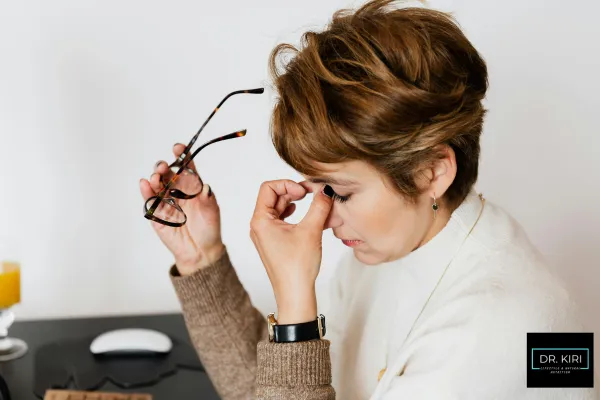
Why Am I Getting So Many Headaches?
Why Am I Getting So Many Headaches? Stress, Exhaustion and Tension Headaches Explained
This article is part of my Burnout & Energy Recovery series, exploring the hidden signs of stress, nervous system overload and high-functioning exhaustion in busy professionals.
There is a certain type of headache many busy adults quietly normalise.
The one that arrives by late afternoon.
A tight band around the head.
A stiff neck.
Heavy shoulders.
The feeling that even answering one more email may tip you over the edge.
For many people, tension headaches become part of everyday life.
They keep functioning.
Keep working.
Keep drinking coffee.
Keep telling themselves they are “just stressed.”
I spent years thinking functioning through headaches and exhaustion was normal.
Especially around exams, deadlines and periods of intense pressure.
More coffee.
More sitting still.
More pushing through.
At the time, I saw headaches as inconvenience rather than information.
Looking back, my body was usually asking for recovery long before I was willing to listen.
The reassuring thing is that tension headaches are extremely common.
Very often, they are not a sign something serious is wrong.
They are often a sign your body is spending too much time stuck in survival mode.
That modern “always on” rhythm:
• rushing
• sitting for hours
• screen overload
• caffeine replacing meals
• stress hormones staying elevated
• poor sleep
• not enough recovery
Eventually the nervous system starts pushing back.
And one of the ways it often does that is through headaches.
What does a tension headache usually feel like?
People describe tension headaches differently, but common symptoms include:
• tightness or pressure around the forehead or back of the head
• aching neck and shoulders
• tenderness in the scalp or jaw
• headaches that worsen as the day goes on
• feeling mentally drained or irritable alongside the headache
Some people feel as if they are physically holding tension in their upper body all day without realising it.
Others notice the headache appears most during periods of stress, deadlines, poor sleep or long hours at a desk.
Why busy professionals are especially prone to tension headaches
One thing many high performers underestimate is how physical stress becomes.
When you are constantly under pressure, your body increases stress hormones like adrenaline and cortisol.
That can contribute to:
• muscle tension
• jaw clenching
• shallow breathing
• dehydration
• poor sleep
• blood sugar swings
• increased sensitivity to pain
• nervous system overload
The body is preparing for survival.
The problem is, modern stress is rarely short-lived.
Instead of escaping danger and recovering, many people stay switched on all day.
Coffee to wake up.
Push through the afternoon.
Collapse at night.
Repeat.
Over time, the nervous system becomes overloaded.
Poor sleep lowers the nervous system’s resilience and increases sensitivity to pain and muscle tension.
Tension headaches are often part of that picture.
Why people ignore the warning signs
One thing I notice often with busy professionals is how quickly symptoms become normalised.
People tell themselves:
• “It’s only a headache.”
• “Everyone feels tired.”
• “I just need to get through this week.”
• “I’ll slow down once things calm down.”
The problem is that “things calming down” rarely arrives on its own.
The body usually whispers first before it starts shouting.
What actually helps tension headaches?
Usually not dramatic wellness routines.
In my experience, the biggest improvements often come from small, boringly sensible habits done consistently.
1. Hydration before another coffee
Mild dehydration is a very common headache trigger.
Many people run most of the day on caffeine and very little water.
Start simple:
regular fluids throughout the day rather than realising at 6pm you have barely drunk anything.
Simple habits really do matter here.
2. Break the desk posture cycle
Your neck and shoulders are not designed to stay frozen in one position for hours.
Set a simple rhythm:
stand, stretch or walk every 60 to 90 minutes.
Roll your shoulders.
Stretch your neck.
Move like a human, not an office chair accessory.
Even a couple of minutes helps reduce muscle tension building through the day.
3. Stabilise your meals and energy
Skipping meals, relying on caffeine and then crashing into sugar later creates blood sugar swings that can worsen headaches, fatigue and irritability.
Regular meals with protein and fibre help support steadier energy and nervous system regulation.
Many people notice headaches improve when their body no longer spends the day bouncing between stress hormones, caffeine and energy crashes.
4. Support recovery, not just productivity
Many adults are very good at pushing through.
Far fewer are good at recovery.
Sleep, daylight, movement, proper meals and moments of calm are not luxuries.
They are biological maintenance.
When should headaches be checked medically?
Although tension headaches are common, persistent or severe headaches should always be assessed properly.
Seek medical advice if headaches are:
• sudden or severe
• waking you from sleep
• associated with weakness, confusion or neurological symptoms
• accompanied by visual changes
• progressively worsening
• different from your usual pattern
The bigger picture
Often, tension headaches are not the real problem.
They are the signal.
A sign your body needs:
• better rhythm
• steadier energy
• more recovery
• less survival mode
The encouraging part is that small sustainable changes genuinely can make a big difference.
Not perfection.
Not another extreme health plan.
Just supporting your physiology more consistently than modern life usually encourages.
If you are functioning on caffeine, adrenaline and exhaustion and your body is starting to ask for a different rhythm, you are not alone.
This is exactly the pattern I help many busy professionals navigate through practical, sustainable lifestyle and metabolic health support.
You can learn more about my Midlife Energy Reset sessions here.
Dr Kiri 🌹
The Midlife MOJO Doctor
Support from both sides of the stethoscope.